










Custom self-service kiosks and connected machines
When software has to touch a machine, a website or an app is no longer enough. You need a unit on the equipment, a kiosk the public cannot break, a platform that counts every operation and passes it to the till, and a fleet you can operate remotely for years. KERN-IT builds this whole chain, from the machine's port to the user's smartphone.
Our self-service kiosks have been running for more than ten years across several sites, with hundreds of users a day. Our edge R&D supervised more than 2,000 network points across Europe. In between: sports machines, urban furniture, copiers and routers tied to platforms we keep alive.
What we build
The unit on the machine
A small computer connected to the equipment, reading its counters and signals, counting locally and carrying on when the network drops. Synchronisation as soon as the connection returns.
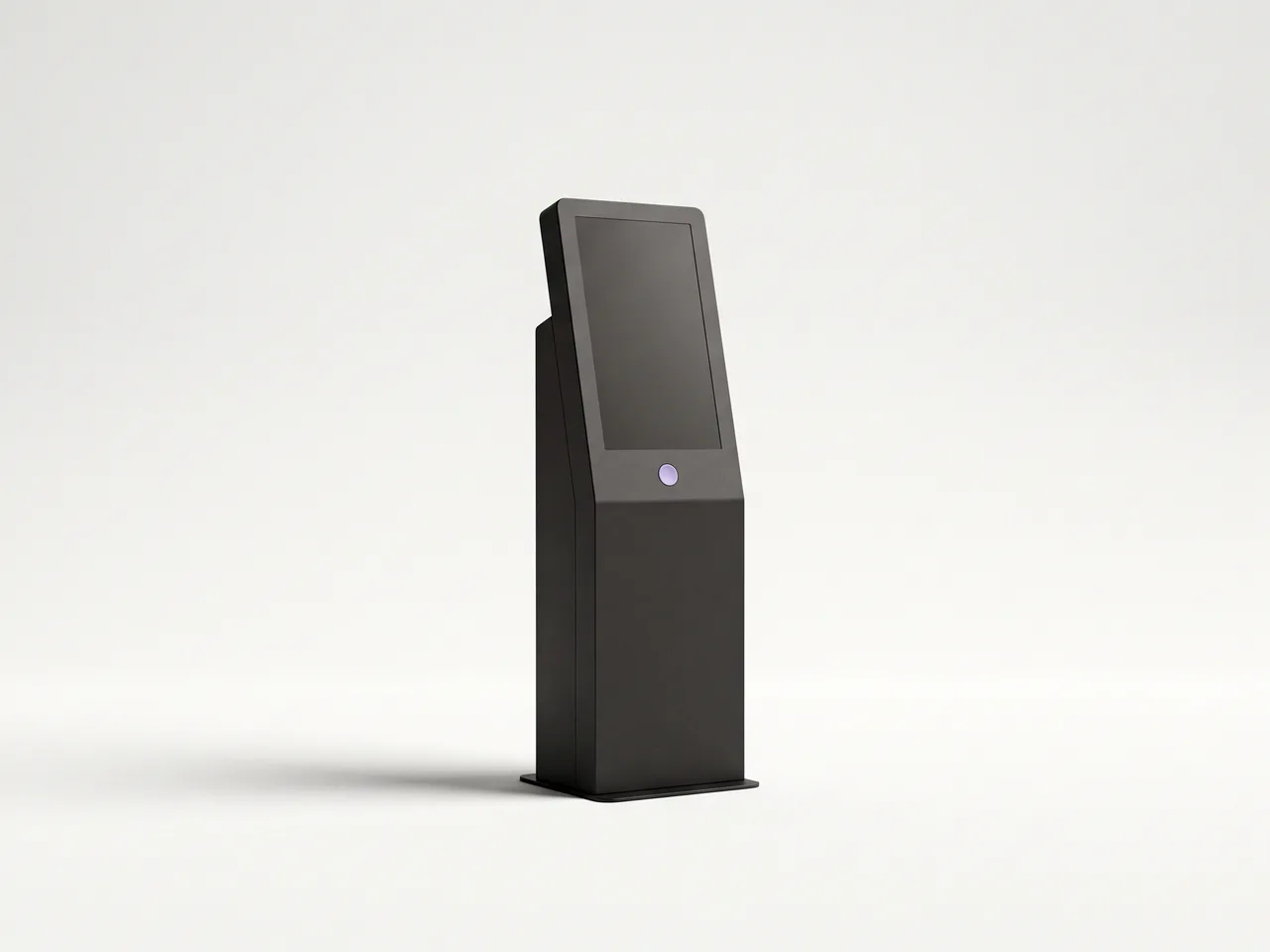
The user kiosk
Badge, code or account, payment, instruction screen. One full-screen application, an isolated session that starts from scratch, USB sticks kept well away from the internal network.
The central platform
Counting, prices, rights, link to the till or invoicing, portal or online shop to prepare the operation from a phone. One version of the truth, no re-keying.
Fleet operations
Remote updates, supervision of every device, scheduled reboots, log collection. A failed device is replaced by a new one configured from a recipe.
Who it is for
Self-service
Copy services, libraries, campuses, shared spaces open outside staffed hours: the service runs without a counter and the counting stays exact. See our self-service print kiosk.
Professional equipment
Sports machines, workshops, distributed equipment fleets: we connect what you already have to count, alert and plan maintenance, without replacing the machine.
Public space
Urban furniture, display screens, information kiosks: hardware that withstands the public and content managed from a central station.
Connecting an existing machine
The first objection is always the same: "my equipment has no interface". In practice, almost every machine exposes something: a serial port, counters, electrical contacts, sometimes a manufacturer interface. When nothing exists, we add a sensor. The unit reads these signals, timestamps them and sends them to the platform.
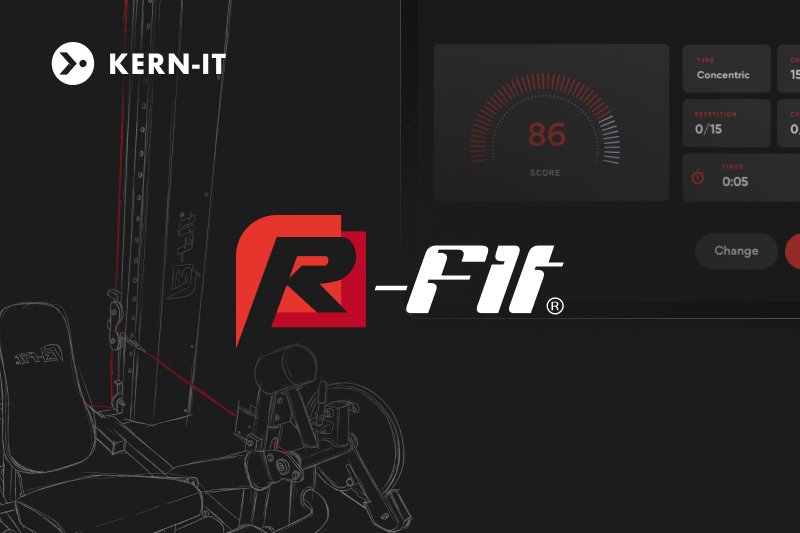
That is what we did for copy service copiers, for a sports machine whose electronics and software we rebuilt, and for urban furniture. The approach is detailed on the connect an existing machine page, and the local processing layer on the one devoted to edge computing.
They trust us
Related articles

Frequently asked questions
Yes, in the vast majority of cases. We read what the machine already exposes: serial port, internal counters, contacts, manufacturer interface. When nothing is accessible, we add a sensor (cycles, current, presence, temperature) to the equipment. The unit does the rest: reading, timestamping, sending to the platform.
The kiosk or the unit keeps serving and counting locally, then synchronises the till and the platform when the connection returns. This is a design principle, not an option: a self-service that shows an error page at the first outage is bypassed by the staff within a week.
Yes. We start with an audit of the hardware, the software and the operations (how updates happen, how replacements happen, what is supervised). Depending on the state, we keep the software in place or replace it kiosk by kiosk, without stopping the service.
A pilot kiosk (standard hardware, kiosk software, link to your system) starts at €15,000. A fleet of 5 to 20 kiosks with its central platform ranges between €35,000 and €90,000 depending on peripherals (payment, badge, printing) and integrations. Our price ranges are detailed on the software development cost page.
A pilot kiosk in real conditions takes 6 to 10 weeks. Rolling out a complete fleet, with the platform and the operations, takes 3 to 6 months. We always proceed in stages: a pilot, user feedback, then the fleet.
A machine to connect, a service to open in self-service?
Tell us about your equipment, your premises and what you want to count. Our team in Brussels builds the whole chain, from the unit to the till.