Software Maintenance: Why custom software without maintenance loses its value
Publication : 04 Mar, 2026
5 min read

When custom software is delivered, many companies feel the project is over.
In reality, the software's life is only just beginning.
Custom software is not a standard product.
It is a strategic asset, directly linked to your business, your processes, and your operational performance.
And like any strategic asset, it loses value if it is not maintained.
At KERN IT, a custom development firm based in Brussels, we have spent years supporting Belgian companies facing this reality: software without maintenance may keep running, even as it silently degrades.
So, what is software maintenance, exactly?
Software maintenance refers to the full set of actions required to keep software operational, secure, and usable over time.
It is not limited to fixing what breaks.
It aims to preserve the value of your existing assets in a technical, regulatory, and business environment that is constantly evolving.
Unmaintained software is a depreciating asset
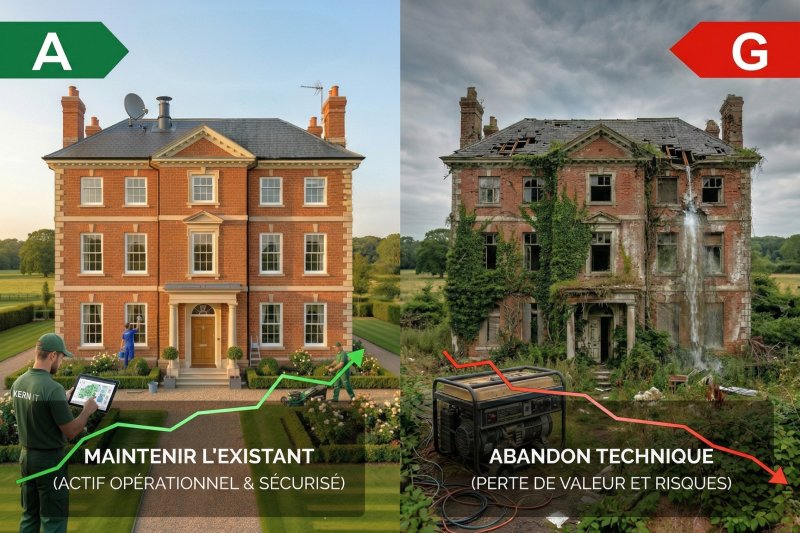
As soon as no one is working on your custom software:
- It no longer evolves with your business.
- It no longer adapts to real-world usage.
- It falls behind technical advancements.
- It becomes riskier to modify.
- Its economic value progressively declines.
Even if it "still works," it is already losing value.
Failing to invest in maintenance is not a saving.
It is a silent decline, often invisible until an emergency, an incident, or a major change reveals the underlying problem.
Maintenance is about more than just fixing bugs
Reducing maintenance to mere bug fixing is a common mistake.
Maintenance allows you to:
- Guarantee software stability
- Maintain an acceptable level of security
- Preserve technical quality
- Ensure environmental compatibility
- Sustain the capacity for future evolution
Custom software exists within a shifting ecosystem:
- Browsers
- Systems
- Security standards
- Legal constraints
- User behaviors
Without maintenance, it inevitably becomes disconnected from this ecosystem.
The different types of software maintenance
Corrective maintenance
It consists of:
- Fixing anomalies after production launch
- Resolving technical incidents
- Restoring normal operations This is the most visible form of maintenance.
This is the most visible form of maintenance.
However, it is not the one that protects the project in the long term.
Evolutive Maintenance (strict definition)
Evolutive maintenance covers:
- Limited functional adjustments
- Necessary adaptations to context
- Targeted improvements of existing features
👉 It does not include the creation of major new core features.
Significant business evolutions fall under a separate development budget, with its own specific scoping.
Preventive and Technical Maintenance
The least visible... yet the most vital.
It notably includes:
- Security updates
- Framework and dependency upgrades
- Code refactoring
- Technical debt reduction
- Internal quality improvement
This work is not spectacular.
But without it, every modification becomes slower, more expensive, and riskier.
Why software maintenance isn’t just a "Windows Update"
There is a frequent confusion between custom software maintenance with an automatic update.
Custom software is:
- Unique
- Closely tied to your business
- Based on specific technical choices
Concrete example
A security vulnerability is detected in a library used by your application.
What many imagine:
- Update
- Restart
- Problem solved
What actually happens:
- Impact analysis on your code
- Compatibility checks
- Adaptation of specific components
- Update or creation of automated tests
- Validation of critical business scenarios
- Controlled deployment
A "simple update" can turn into a small technical project.
Maintenance is there to manage this underlying complexity.
Maintenance ≠ New Feature Development
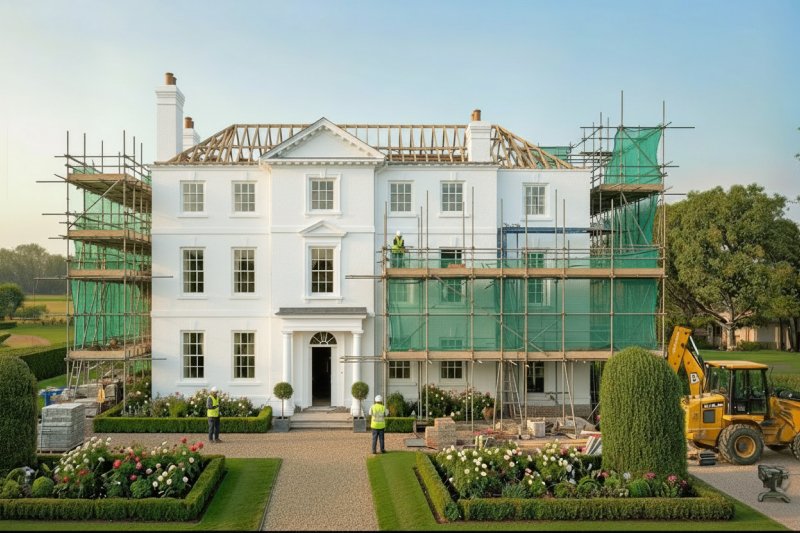
Let’s be perfectly clear:
Even with a high maintenance budget, maintenance is not a product innovation budget.
Our maintenance ensures:
- Safeguarding your current investment
- Risk reduction
- System stability
- Guaranteed response times
It is not intended for:
- Developing major new features
- Changing the business scope
- Redesigning the tool
- Launching a new version
Development makes the product grow.
Maintenance prevents it from degrading.
SLA, Availability, and Maintenance: Avoiding the Confusion
The Availability SLA (99.9%, 99.99%)
An SLA expressed as a percentage, covering servers, network, infrastructure, and hosting.
👉 It belongs to the host.
It guarantees that the infrastructure is accessible.
It does not guarantee that an application-level issue will be fixed immediately.
The Application Maintenance SLA
Maintenance guarantees:
- Support response times
- Analysis lead times
- Intervention timelines
- Clear priority levels
👉 Maintenance guarantees reactivity, not a calculated uptime percentage.
How much does custom software maintenance cost?
There is no universal price tag.
However, there are realistic orders of magnitude.
Simple Business Application
- Limited scope
- Small user base
👉 €500 to €1,000 per month
Core Business Application
- Central tool for daily operations
- Complex business logic
👉 €1,500 to €3,000 per month
Critical or Public-Facing Platform
- High exposure
- High security stakes
👉 €3,000 to €6,000+ per month
👉 These budgets do not include major developments.
Even with excellent maintenance, softwares are not eternal
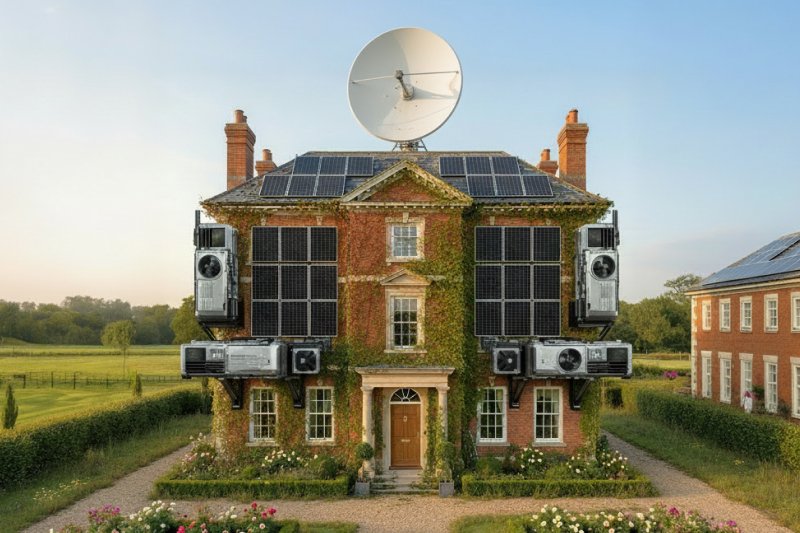
Maintenance extends a software’s lifespan.
It does not make it immortal.
At some point, certain projects hit a technological ceiling:
- Outdated architecture
- Obsolete technology
- Excessive security constraints
- Disproportionate maintenance costs
Continuing maintenance can then become more expensive than rebuilding.
Not all digital products have the same maintenance needs
Showcase Website
- Minimal business logic
- Low criticality
- Light maintenance
👉 Real but limited needs.
Native Mobile Application
- High dependency on iOS and Android
- Ever-changing App Store & Play Store rules
- Mandatory updates imposed by platforms
👉 Maintenance is partly forced, even without functional changes.
AI-Integrated Projects
- Rapidly evolving models
- Changing APIs
- Occasional model deprecation
- Performance variance over time
👉 Maintenance is structurally more unstable, yet vital for the project's survival.
KERN IT’s long-term commitment
At KERN IT, we do not apply standardized maintenance.
We help our clients:
- Understand the true state of their software
- Tailor maintenance to the specific product type
- Anticipate technical limits
- Decide between maintaining or rebuilding
- Invest in the right place, at the right time
A good technical partner doesn't promise eternity.
They help you make clear-headed and sustainable decisions.
In Summary
- Maintenance protects the value of existing assets
- It does not fund product innovation
- It guarantees intervention lead times
- It does not guarantee a specific uptime percentage
- It does not make software eternal
- Without maintenance, software depreciates
Conclusion
Software maintenance is neither a luxury nor a secondary option.
It is a strategic choice dedicated to the sustainability of your business.
At KERN IT, we approach it with clarity, realism, and accountability.